

Hotel restaurants used to have a bit of a reputation problem. Either they were painfully formal with menus nobody could pronounce, or they felt like depressing afterthoughts designed purely for exhausted business travellers eating solitary burgers at 9pm. Thankfully, that entire era is fading fast. The Social Hub has taken a completely different approach to food and drink spaces by making them feel social, stylish, and genuinely connected to the city around them. Instead of creating places guests simply pass through, The
turns cafés, bars, and restaurants into lively spaces where people actually want to stay. Whether you’re grabbing coffee between meetings, meeting friends for cocktails, or stretching brunch into an accidental three-hour event, The Social Hub understands that modern dining is just as much about atmosphere as the menu itself.
Why The Social Hub cafés feel more inviting than standard hotel coffee spots
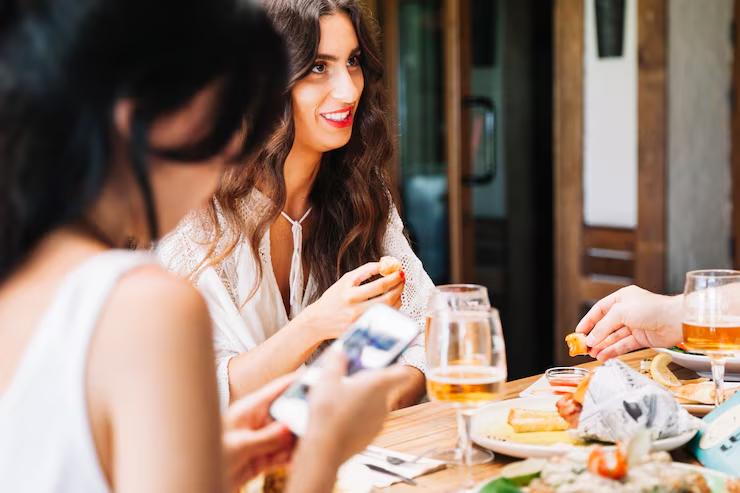
There’s a huge difference between a café designed for convenience and one designed for people to genuinely enjoy spending time in. The Social Hub clearly leans towards the second category. The cafés feel relaxed, modern, and energetic without trying too hard to be trendy. Instead of awkwardly silent hotel breakfast areas, the spaces are built around movement and interaction. You’ll see remote workers tapping away on laptops, travellers planning city adventures over coffee, and locals casually stopping in rather than treating the space as “just for guests”. That blend of people gives The Social Hub a much more authentic atmosphere than many hotel dining spaces. The interiors help too. Bright seating areas, stylish design touches, and relaxed communal layouts make everything feel more like a creative city café than a typical hotel setup.
Best places for casual drinks and social evenings
One of the strongest things about The Social Hub’s food and drink spaces is that they naturally encourage people to linger. The bars don’t feel overly polished or intimidating, which makes them ideal for relaxed evenings rather than formal nights out. Whether someone wants cocktails after work, a casual beer with friends, or a quick drink before exploring the city, The Social Hub creates spaces that feel flexible and welcoming. That balance matters because many modern travellers and locals want environments that feel social without becoming overwhelming nightclub territory. The Social Hub bars usually hit that middle ground perfectly. Music, lighting, and seating all contribute to an atmosphere that feels lively but still comfortable enough for conversation. It’s the type of place where one quick drink unexpectedly turns into staying far longer than planned.
The Social Hub restaurants that feel connected to city culture
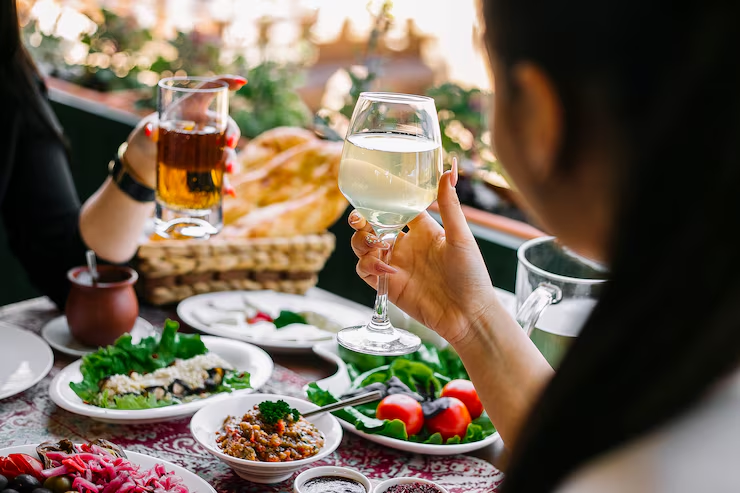
One of the biggest issues with many hotel restaurants is that they often feel disconnected from the actual city outside. Menus become generic, atmospheres feel interchangeable, and there’s little sense of local energy. The Social Hub avoids that by making its dining spaces feel much more integrated into the surrounding neighbourhood. The restaurants and bars attract a mix of guests, locals, students, creatives, and remote workers, which instantly gives everything a more natural buzz. The Social Hub also leans into modern food culture rather than overly formal dining experiences. The vibe feels approachable and current instead of stiff or outdated. That’s important because people increasingly want dining experiences that feel relaxed and social rather than performative. At The Social Hub, food becomes part of the wider community atmosphere rather than a standalone hotel service.
Why coworking cafés and flexible dining spaces are booming
The line between cafés, offices, restaurants, and social spaces has become increasingly blurred over the last few years. People no longer want rigid environments where each activity belongs in a completely separate place. The Social Hub understands this shift incredibly well. Someone can start the morning with coffee and emails, stay for lunch, meet friends later for drinks, and still feel perfectly comfortable in the same space. That flexibility is a massive part of the appeal. The Social Hub’s food and drink areas feel designed around how people actually live now rather than older hospitality models. Fast Wi-Fi, comfortable seating, relaxed service, and energetic surroundings make the spaces useful beyond traditional dining. It’s hospitality designed for hybrid lifestyles rather than purely overnight guests.
Stylish food spaces without the intimidating foodie energy

Some modern restaurants become so focused on appearing fashionable that the entire experience starts feeling exhausting. Tiny portions, impossible reservation systems, and menus requiring translation are not exactly relaxing. The Social Hub avoids that trap by keeping its food and drink spaces stylish but approachable. The atmosphere feels curated without becoming pretentious, which makes the experience much more enjoyable for everyday visitors. The Social Hub understands that many people care about design, ambience, and good food, but they still want spaces that feel easy and welcoming. That accessibility makes the venues work for multiple occasions, from solo coffee breaks to group dinners or spontaneous evening drinks. It’s polished enough to feel modern while still remaining comfortable enough that people actually relax there.
The places where food, work, and social life blend naturally
The most interesting hospitality spaces right now are the ones that understand people no longer separate life into strict categories. Work, travel, dining, and socialising increasingly overlap, especially in cities. The Social Hub embraces that reality better than most hotel brands. Its cafés, bars, and restaurants feel dynamic because they support all kinds of experiences throughout the day rather than serving one narrow purpose. Whether someone arrives for brunch, remote work, cocktails, or casual dinner plans, the atmosphere adapts naturally without feeling forced. The Social Hub succeeds because it creates spaces people genuinely want to return to even when they’re not staying overnight. In a world full of forgettable hotel dining rooms and overly curated “Instagram restaurants”, that balance feels refreshingly real.


