
Travel to Ireland affordably via ferry. Discover booking strategies, cost advantages over flying, and practical tips to maximize your travel budget.
Continue reading
Travel to Ireland affordably via ferry. Discover booking strategies, cost advantages over flying, and practical tips to maximize your travel budget.
Continue reading
Discover what to expect on modern Irish ferry services. Learn about comfortable cabins, dining, entertainment, and facilities for a pleasant sea journey.
Continue reading
Plan your UK to Ireland ferry journey with our comprehensive guide to routes, timing, and pre-departure logistics for a smooth crossing.
Continue reading
Explore Ireland by ferry with Irish Ferries. Learn about routes, amenities, and tips for a comfortable journey across the Irish Sea.
Continue reading
A family island-hopping trip becomes easier when the plan respects energy, luggage and different comfort needs. The route should connect enjoyable stays rather than turn every day into another transfer.

Families can use Ferryhopper to compare sailings and organize more than one destination. The planning tool is most effective when the adults first decide what the group can handle comfortably.
The Family’s Needs Should Shape the Route
Children, older relatives and adults with limited mobility may experience the same crossing very differently. A short high-speed sailing might suit one family, while another may prefer a conventional ferry with more room to move. The right choice depends on the travelers rather than the popularity of the destination.
The number of islands should remain realistic. Every additional stop requires packing, checking out, reaching a port, boarding and settling into new accommodation. Those tasks take energy even when the ferry ride is brief. Two well-chosen bases can provide more variety than four rushed stops because day trips and local excursions may fill the gaps.
A route comparison on Ferryhopper can help the family see which islands connect directly. Direct sailings reduce luggage handling and the risk created by separate transfers. When a connection is necessary, a generous interval should account for bathroom breaks, meals and the slower pace of a group.
Accommodation location belongs in the transport decision. A low-cost room far from the arrival port may require multiple vehicles or a late transfer. A slightly higher room rate near practical transport can lower the total burden. The family should compare the whole movement from one bed to the next.
Departure and Arrival Need Their Own Plan
A smooth ferry day begins before the family reaches the terminal. Tickets should be downloaded, bags should be labeled and essential items should remain outside the main luggage. The group also needs a meeting point in case a busy port briefly separates adults and children.
Vehicle travel adds another layer. The booking must reflect the correct vehicle type and dimensions where requested. The driver may enter a separate boarding queue while passengers follow crew directions. The family should discuss that possibility before arrival so nobody is surprised by a temporary separation.

Information available through Ferryhopper can help identify duration, departure ports and ticket options. Operator instructions still control boarding. Adults should read them together and avoid relying on one person’s phone as the only source of documents.
Arrival can be the most tiring part of the day. The family may need food, a bathroom and a predictable transfer before sightseeing. Booking accommodation with clear check-in instructions and sharing the arrival time in advance can prevent a long wait with luggage.
A Family Ferry Day Checklist
A short checklist keeps attention on the essentials without turning the trip into a complicated operation.
A multi-leg overview created with Ferryhopper can support the checklist by keeping route details together. The family should still save each confirmation offline and note any operator-specific requirement. A printed backup may be useful when one traveler is more comfortable with paper.
Comfort preparation should stay simple. A light layer can help in air-conditioned interiors or windy outdoor areas. Motion-sensitive travelers may benefit from a view of the horizon and advice from a qualified health professional. Crew members can direct passengers to appropriate spaces when help is needed.
One Clear Overview Reduces Group Confusion
Family travel often becomes stressful when information is scattered. One adult remembers the hotel, another holds the tickets and nobody is certain about the arrival transfer. A shared itinerary solves much of that problem. It should list ports, approximate travel windows, accommodation addresses and essential contact information.
The itinerary does not need to schedule every meal or activity. Its purpose is to make the fixed parts visible. Once the family understands those anchors, the rest of the trip can remain flexible. A tired child can rest, a beach visit can last longer and an unnecessary excursion can be skipped without damaging the route.

With Ferryhopper, the planning adult can compare options and keep booking information organized, while the family retains responsibility for documents, timing and operator rules. That division is useful because technology handles repetition and people make the judgment calls.
A successful multi-island family trip is not measured by how many places appear in the photo collection. It is measured by whether the group arrives with enough energy to enjoy them. A simpler route often creates more shared memories because less attention is spent managing the next departure.

Solo travel insurance: medical coverage, trip protection, theft coverage, emergency assistance, and independent traveler safety.
Continue reading
Family travel insurance: medical coverage for children, trip protection, luggage coverage, and complete family security.
Continue reading
Kenya Airways is one of Africa’s most influential airlines, recognized for connecting travelers across continents while supporting tourism, trade, and economic development throughout the region. Known as “The Pride of Africa,” the airline has built a reputation for delivering international travel services that combine African hospitality, global connectivity, and modern aviation innovation.
Headquartered in Nairobi, Kenya Airways serves passengers traveling for:
With an expanding digital ecosystem and integrated travel services, the airline continues adapting to the changing demands of global travelers.

Kenya Airways was founded in 1977 and has since grown into one of Africa’s leading international carriers. Over the years, the airline has developed extensive flight connections linking:
The airline’s strategic location in Nairobi gives it a strong advantage as a connecting hub between Africa and the rest of the world.
Air connectivity plays a major role in:
Kenya Airways continues contributing significantly to these areas across the African continent.

Jomo Kenyatta International Airport in Nairobi serves as the airline’s primary hub and one of Africa’s busiest airports.
Its location allows Kenya Airways to efficiently connect:
This connectivity helps strengthen:
As Africa’s aviation market continues growing, airlines with strong regional networks remain strategically important.
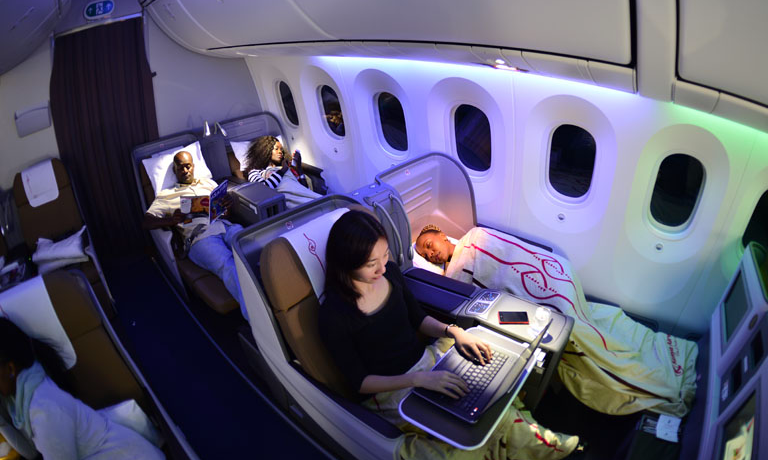
Kenya Airways plays an important role in promoting:
The airline helps travelers access world-famous destinations such as:
Tourism contributes significantly to many African economies by supporting:
By improving travel accessibility, Kenya Airways helps encourage regional and international tourism growth.
Kenya Airways has expanded beyond standard airline operations through:
This platform allows travelers to:
within a single digital system.
Modern travelers increasingly prefer integrated travel experiences that combine:
Travel platforms that streamline bookings and trip management continue becoming more popular globally.
The airline continues investing in:
Passengers can conveniently:
Technology is rapidly transforming the airline industry by improving:
Digital-first travel services are now essential for modern airlines competing internationally.
Travel flexibility has become increasingly important for passengers worldwide. Kenya Airways offers solutions such as:
which allows travelers to:
Flexible booking services help customers:
The demand for adaptable travel solutions has grown significantly in recent years.
Kenya Airways rewards loyal travelers through:
its loyalty program designed to provide:
Loyalty programs are important tools for airlines because they help:
Modern loyalty systems increasingly focus on personalized experiences and digital convenience.
The airline offers several additional services aimed at improving passenger comfort, including:
These services help Kenya Airways support different traveler needs, including:
Personalized customer service continues becoming a key competitive factor in aviation.
In addition to passenger travel, Kenya Airways also supports:
Cargo operations help facilitate:
African exporters depend heavily on reliable air cargo networks for:
Strong aviation logistics remain essential for economic development and international commerce.
Like many international airlines, Kenya Airways faces growing expectations regarding:
The future of aviation is expected to focus more on:
Balancing industry growth with sustainability goals will remain one of the airline sector’s biggest challenges.
Kenya Airways contributes to:
Strong airline networks support:
Aviation remains one of the most important industries supporting Africa’s long-term economic progress.
Kenya Airways continues investing in:
As global travel evolves, airlines that successfully combine:
will remain competitive in the global aviation industry.
Kenya Airways is well-positioned to continue serving as a major gateway connecting Africa with the world.
Kenya Airways has established itself as one of Africa’s most recognized airlines by combining international connectivity, customer-focused services, and modern travel innovation. Through platforms like KQ Holidays, digital travel tools, and loyalty programs, the airline continues adapting to the needs of today’s global travelers.
As tourism, business travel, and African connectivity continue growing, Kenya Airways remains an important symbol of African aviation, global mobility, and modern travel opportunity.

Kenya Airways is one of Africa’s most recognized international airlines, known for connecting travelers across Africa, Europe, Asia, and the Middle East through its extensive flight network and modern travel services. Often referred to as “The Pride of Africa,” the airline has played a major role in shaping African aviation while supporting tourism, trade, and international business connectivity.
With its headquarters in Nairobi, Kenya Airways continues evolving through digital innovation, customer-focused services, and integrated travel solutions designed for modern global travelers.
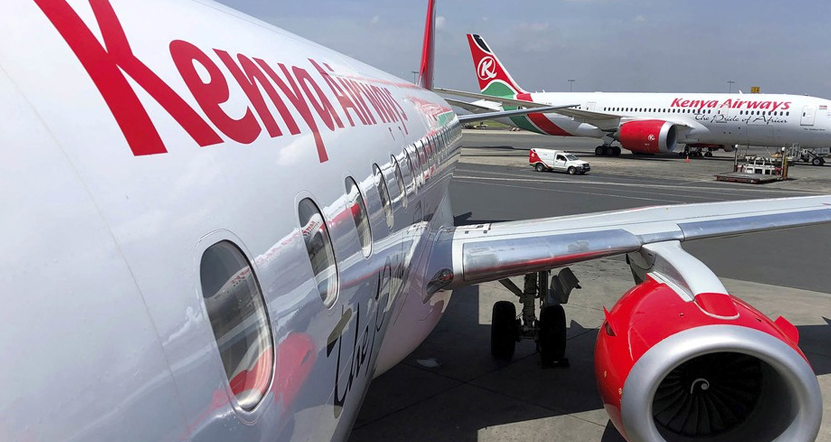
Kenya Airways was established in 1977 following the dissolution of the East African Airways Corporation. Since then, the airline has grown into one of the continent’s leading carriers, serving both regional and international destinations.
Over the decades, Kenya Airways has expanded its presence by focusing on:
Today, the airline serves as a key transportation link between:
Its strategic position in Nairobi allows the airline to function as an important hub for travelers connecting through Africa.
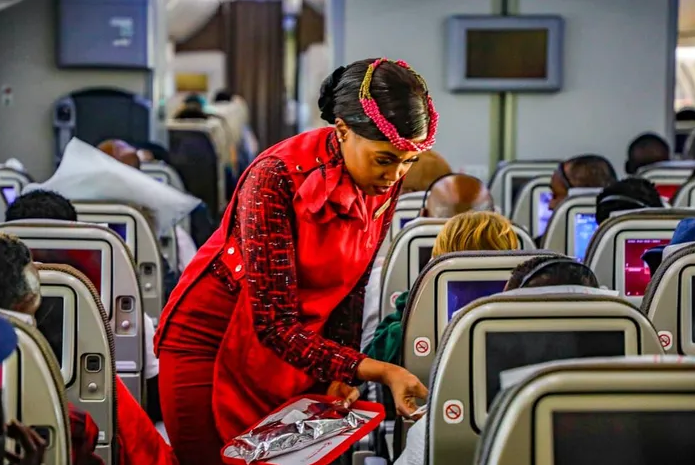
Nairobi’s geographic location makes it one of the most important aviation gateways in Africa. Kenya Airways benefits from this positioning by offering efficient connections between:
The airline’s hub at Jomo Kenyatta International Airport supports:
Improved air connectivity is critical for economic growth across emerging African markets.
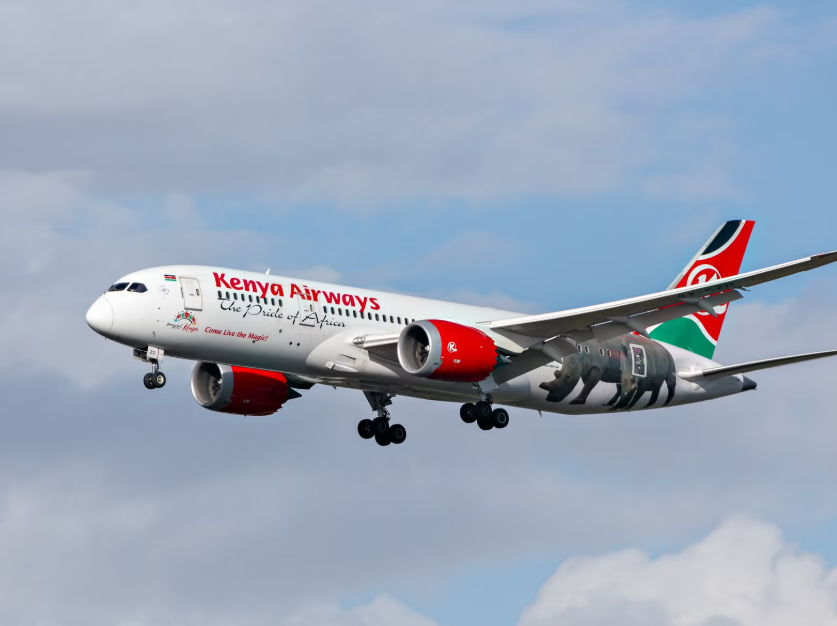
Kenya Airways plays a significant role in supporting:
The airline helps travelers access popular destinations including:
Tourism remains one of the most important industries supporting:
By expanding travel accessibility, Kenya Airways contributes directly to regional tourism growth.
The airline continues investing in customer-focused travel services designed to improve:
Passengers can access services such as:
Modern travelers increasingly expect seamless digital experiences throughout every stage of their journey.
Kenya Airways has expanded beyond traditional airline services through:
This integrated platform allows customers to:
from a single platform.
Integrated travel ecosystems are becoming increasingly important as travelers prefer:
Kenya Airways continues embracing technology to enhance the passenger experience. Some innovations include:
The airline’s investment in digital services reflects broader aviation industry trends focused on:
Technology continues transforming how airlines interact with customers before, during, and after flights.
Modern travelers value flexibility more than ever. Kenya Airways offers services such as:
which allows travelers to:
Flexible booking solutions help customers manage:
The aviation industry increasingly recognizes flexibility as a key customer expectation.
Kenya Airways rewards loyal travelers through:
its loyalty program designed to provide:
Loyalty programs remain one of the most important tools airlines use to:
Frequent flyer programs continue evolving with more personalized benefits and digital integration.
Kenya Airways also offers specialized services including:
These services allow the airline to support:
Customized travel solutions help airlines serve a wider variety of passenger needs.
Beyond passenger transportation, Kenya Airways also supports:
Cargo aviation plays a major role in:
Efficient air freight connections help businesses transport:
across global markets.
Like many international airlines, Kenya Airways faces increasing focus on:
The future of aviation will likely involve:
Sustainability is becoming an essential part of long-term airline competitiveness and industry responsibility.
Airlines like Kenya Airways are important drivers of:
Improved aviation networks help connect African economies while creating opportunities for:
Strong airline infrastructure remains essential for Africa’s long-term economic expansion.
Kenya Airways continues working toward:
As global travel continues recovering and evolving, airlines that successfully combine:
are likely to remain competitive in the international aviation industry.
Kenya Airways is well-positioned to continue serving as one of Africa’s leading global carriers.
Kenya Airways has built a strong reputation as a leading African airline connecting travelers across continents while supporting tourism, trade, and economic growth. Through digital innovation, customer-focused services, and integrated travel solutions like KQ Holidays, the airline continues adapting to the needs of modern travelers.
As aviation becomes increasingly connected, flexible, and technology-driven, Kenya Airways remains an important symbol of African connectivity and global travel opportunity.

Hotel restaurants used to have a bit of a reputation problem. Either they were painfully formal with menus nobody could pronounce, or they felt like depressing afterthoughts designed purely for exhausted business travellers eating solitary burgers at 9pm. Thankfully, that entire era is fading fast. The Social Hub has taken a completely different approach to food and drink spaces by making them feel social, stylish, and genuinely connected to the city around them. Instead of creating places guests simply pass through, The
turns cafés, bars, and restaurants into lively spaces where people actually want to stay. Whether you’re grabbing coffee between meetings, meeting friends for cocktails, or stretching brunch into an accidental three-hour event, The Social Hub understands that modern dining is just as much about atmosphere as the menu itself.

There’s a huge difference between a café designed for convenience and one designed for people to genuinely enjoy spending time in. The Social Hub clearly leans towards the second category. The cafés feel relaxed, modern, and energetic without trying too hard to be trendy. Instead of awkwardly silent hotel breakfast areas, the spaces are built around movement and interaction. You’ll see remote workers tapping away on laptops, travellers planning city adventures over coffee, and locals casually stopping in rather than treating the space as “just for guests”. That blend of people gives The Social Hub a much more authentic atmosphere than many hotel dining spaces. The interiors help too. Bright seating areas, stylish design touches, and relaxed communal layouts make everything feel more like a creative city café than a typical hotel setup.
One of the strongest things about The Social Hub’s food and drink spaces is that they naturally encourage people to linger. The bars don’t feel overly polished or intimidating, which makes them ideal for relaxed evenings rather than formal nights out. Whether someone wants cocktails after work, a casual beer with friends, or a quick drink before exploring the city, The Social Hub creates spaces that feel flexible and welcoming. That balance matters because many modern travellers and locals want environments that feel social without becoming overwhelming nightclub territory. The Social Hub bars usually hit that middle ground perfectly. Music, lighting, and seating all contribute to an atmosphere that feels lively but still comfortable enough for conversation. It’s the type of place where one quick drink unexpectedly turns into staying far longer than planned.

One of the biggest issues with many hotel restaurants is that they often feel disconnected from the actual city outside. Menus become generic, atmospheres feel interchangeable, and there’s little sense of local energy. The Social Hub avoids that by making its dining spaces feel much more integrated into the surrounding neighbourhood. The restaurants and bars attract a mix of guests, locals, students, creatives, and remote workers, which instantly gives everything a more natural buzz. The Social Hub also leans into modern food culture rather than overly formal dining experiences. The vibe feels approachable and current instead of stiff or outdated. That’s important because people increasingly want dining experiences that feel relaxed and social rather than performative. At The Social Hub, food becomes part of the wider community atmosphere rather than a standalone hotel service.
The line between cafés, offices, restaurants, and social spaces has become increasingly blurred over the last few years. People no longer want rigid environments where each activity belongs in a completely separate place. The Social Hub understands this shift incredibly well. Someone can start the morning with coffee and emails, stay for lunch, meet friends later for drinks, and still feel perfectly comfortable in the same space. That flexibility is a massive part of the appeal. The Social Hub’s food and drink areas feel designed around how people actually live now rather than older hospitality models. Fast Wi-Fi, comfortable seating, relaxed service, and energetic surroundings make the spaces useful beyond traditional dining. It’s hospitality designed for hybrid lifestyles rather than purely overnight guests.

Some modern restaurants become so focused on appearing fashionable that the entire experience starts feeling exhausting. Tiny portions, impossible reservation systems, and menus requiring translation are not exactly relaxing. The Social Hub avoids that trap by keeping its food and drink spaces stylish but approachable. The atmosphere feels curated without becoming pretentious, which makes the experience much more enjoyable for everyday visitors. The Social Hub understands that many people care about design, ambience, and good food, but they still want spaces that feel easy and welcoming. That accessibility makes the venues work for multiple occasions, from solo coffee breaks to group dinners or spontaneous evening drinks. It’s polished enough to feel modern while still remaining comfortable enough that people actually relax there.
The most interesting hospitality spaces right now are the ones that understand people no longer separate life into strict categories. Work, travel, dining, and socialising increasingly overlap, especially in cities. The Social Hub embraces that reality better than most hotel brands. Its cafés, bars, and restaurants feel dynamic because they support all kinds of experiences throughout the day rather than serving one narrow purpose. Whether someone arrives for brunch, remote work, cocktails, or casual dinner plans, the atmosphere adapts naturally without feeling forced. The Social Hub succeeds because it creates spaces people genuinely want to return to even when they’re not staying overnight. In a world full of forgettable hotel dining rooms and overly curated “Instagram restaurants”, that balance feels refreshingly real.