

Choosing the right automotive components can make a noticeable difference in vehicle performance, repair quality, and long term value. For workshops, resellers, and buyers who need dependable supply, product quality matters just as much as availability. That is where Premium Parts earns attention. The brand is known for offering a broad selection of components that serve essential vehicle systems, helping buyers source practical solutions for everyday repairs and maintenance needs.
Its catalog is built around parts that drivers and mechanics rely on regularly, including braking components, suspension parts, cooling system products, steering items, and transmission related replacements. Instead of focusing on flashy branding, the emphasis stays on useful products that support real automotive needs. This makes the brand especially relevant for businesses looking for steady supply and reasonable value in a competitive market.
Keypoints
- Premium Parts offers essential products for braking, suspension, cooling, steering, and transmission systems.
- The catalog suits workshops, resellers, distributors, and fleet maintenance operations.
- Its product range supports practical repairs across many common vehicle types.
- The brand appeals to buyers seeking value, availability, and broad selection.
- Many of its components fit the needs of the aftermarket car parts industry.
- A diverse inventory can simplify sourcing for auto parts wholesale buyers.
A Product Line Built Around Everyday Repair Needs
The strength of Premium Parts starts with the type of products it focuses on. These are not niche accessories or cosmetic add ons. The range centers on functional parts that keep vehicles operating safely and efficiently. That matters because most repair decisions are based on urgency, performance, and cost. A supplier that covers the basics well can quickly become useful to businesses that handle recurring vehicle issues.
Brake related parts are among the most important products in the lineup. Components such as calipers and supporting brake system items are essential in helping vehicles stop smoothly and safely. Since braking systems deal with constant friction and wear, replacement demand remains steady. That makes brake products one of the most valuable categories for repair shops and distributors alike.
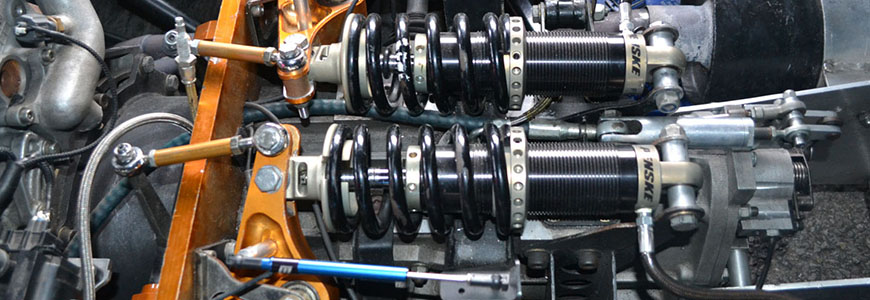
Suspension parts also play a central role in the catalog. Control arms and similar components contribute to ride stability, handling, and road comfort. When suspension parts begin to wear out, drivers often notice reduced control, uneven tire wear, or a rougher driving experience. Reliable replacements help restore proper function and improve the overall feel of the vehicle.
Cooling system products add another important layer of value. Parts such as expansion tanks help regulate engine temperature and support the health of the engine under daily driving conditions. A weak cooling system can lead to overheating, poor performance, and expensive repairs. By supplying these parts, the brand addresses one of the most critical areas of vehicle care.

Why These Products Matter to Buyers
The products offered by Premium Parts are useful because they connect directly to the systems that affect how a vehicle moves, stops, and performs. Buyers are not simply choosing random components. They are choosing parts that influence safety, comfort, and reliability on the road.
For workshops, that means access to items customers need frequently. For distributors, it means stocking categories that turn over consistently. For fleets, it means finding parts that help keep vehicles in service without unnecessary delay. This practical relevance is one reason the brand fits comfortably into the broader aftermarket car parts sector.
Another advantage is product variety. When a supplier offers multiple categories under one roof, purchasing becomes easier. Instead of splitting orders across several vendors, buyers can reduce sourcing friction and simplify inventory planning. That convenience has clear value in fast moving repair environments where timing can affect both customer satisfaction and revenue.
The same logic applies to auto parts wholesale operations. A wholesaler needs supply that is broad enough to serve different customer demands while remaining practical from a cost and logistics perspective. A product catalog with essential maintenance components can support that goal far better than a narrow or inconsistent lineup.
Standout Categories That Add Practical Value
Several categories in the range deserve closer attention because of how often they are needed in real world automotive work. Braking parts remain a standout because they serve one of the most safety sensitive systems in any vehicle. Buyers want replacements that fit well, perform reliably, and support confidence on the road.
Suspension components hold similar importance. They help drivers maintain control and support the vehicle structure during daily use. Good suspension parts are especially valuable in areas with rough roads, frequent mileage demands, or vehicles that carry heavier loads. By serving this category, the brand supports a need that is both common and highly practical.
Steering components also deserve recognition. Even small issues in steering systems can affect driver confidence and handling accuracy. Replacing worn steering parts helps restore smoother response and better road feel. That makes these products relevant for routine maintenance and more serious repair work alike.
Transmission related products add further depth to the lineup. While not every buyer needs them as often as brake or suspension components, they still matter for shops and distributors that want a well rounded offering. A broader catalog makes the supplier more useful over time because buyers can return for different needs instead of treating it as a one category source.
Product advantages buyers often look for
- Brake components support safer and more predictable stopping performance.
- Suspension parts help improve ride comfort and steering stability.
- Cooling system products assist with engine temperature control.
- Steering components contribute to smoother handling and driver confidence.
- Transmission related parts expand sourcing options for repair businesses.
Pros and Cons for Businesses Considering the Brand
Every supplier has strengths and limitations, and that is true here as well. On the positive side, Premium Parts offers a wide catalog built around common repair categories. That gives buyers a practical source for recurring maintenance needs. The focus on usable components also makes the range appealing for resellers and garages that want parts with broad demand.
Another benefit is purchasing efficiency. When buyers can source brakes, cooling products, suspension parts, and steering components from one supplier, operations become easier to manage. This is particularly useful in auto parts wholesale settings where speed, consistency, and inventory planning all matter.
Cost positioning can also be attractive. Many buyers in the aftermarket car parts space are balancing budget concerns with performance expectations. A supplier that offers accessible products across several categories can help businesses remain competitive without relying only on premium priced names.
There are also some limitations worth considering. Since the brand is valued more for supply range and practicality than prestige, it may not carry the same market recognition as large original equipment manufacturers. Some buyers also prefer established premium labels when customer perception is a major factor. In addition, product quality in broad distribution models can vary depending on sourcing standards, so buyers may still want to evaluate categories based on their own requirements.
A Useful Choice for Ongoing Automotive Demand
Premium Parts remains relevant because its products line up with what the market regularly needs. Vehicles continue to require brake repairs, suspension updates, steering maintenance, and cooling system replacements. These are not occasional concerns. They are recurring parts of vehicle ownership and service work, which is why dependable supply matters so much.
For that reason, the brand fits naturally into discussions around aftermarket car parts and long term workshop sourcing. It gives buyers access to practical categories that support everyday operations rather than one off purchasing. That can be valuable for businesses that want steady inventory options and less sourcing complexity.
In the end, the appeal of Premium Parts comes from the usefulness of its products. The catalog covers important systems, supports real repair needs, and offers a workable option for businesses that value selection and function. For buyers operating in repair, resale, or distribution, that kind of product focus can make the brand a sensible part of a broader sourcing strategy.


