
People searching for Lit Farms seeds are usually not just browsing casually, they are trying to figure out whether the genetics are consistent, whether the strain descriptions match reality, and whether the overall experience feels trustworthy enough to invest in. That hesitation is understandable because the seed market is full of uncertainty, and buyers often rely on reputation more than polished product pages.
This review looks at how Lit Farms seeds are presented, how easy it is to understand what you are buying, and whether the platform supports confident decision making. It also explores the frustrations users commonly face, especially when trying to compare strains or understand availability without wasting time.
For anyone exploring Lit Farms seeds, the real question is simple, does the experience feel transparent enough to justify the purchase, or does it still require too much guesswork.
Brand Identity And First Impressions Of The Seed Catalog
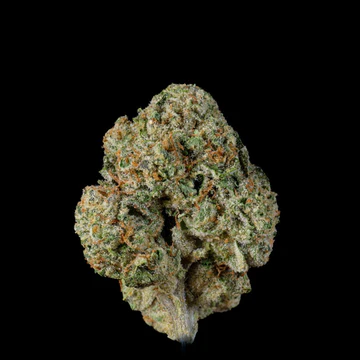
The first impression of Lit Farms seeds is strongly tied to breeder identity. Instead of feeling like a generic storefront, the catalog is organized around strain names and genetics that reflect a more curated breeding approach.
This immediately signals that the focus is not on mass retail but on specific genetic lines. For experienced users, this is appealing because it suggests intentional breeding work rather than random product listings. For newer users, however, it can feel slightly dense at first because there is less hand holding in how products are explained.
Visiting the Lit Farms homepage reinforces this positioning, where the emphasis stays on strain identity rather than simplified shopping categories. The experience feels more like exploring a breeder archive than a standard online store.
How Users Navigate Strains And Make Comparisons
Browsing Lit Farms seeds is largely discovery driven. Instead of heavily structured filters, users move through collections and individual strain pages to understand differences.
This approach has a clear personality. It encourages slower exploration, which can be useful when evaluating genetics, but it is not optimized for fast comparison shopping. Users who expect instant side by side comparisons may feel that the process requires extra effort.
At the same time, this structure aligns with how many breeders present their work. It encourages attention to detail and rewards users who take time to read through strain backgrounds rather than relying on quick summaries.
Clarity Of Genetic Information And Strain Details
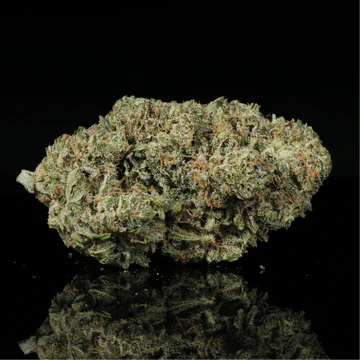
One of the most important aspects of Lit Farms seeds is how genetic information is presented. Strain descriptions often include lineage references and characteristic notes, but they are not simplified into highly standardized product templates.
This creates a mixed experience. On one hand, it feels authentic and true to breeder culture. On the other hand, it requires users to already understand or research certain terms before making decisions.
For users who value depth, this level of detail is a strength. For users looking for quick clarity, it may feel like an extra step in the decision making process. The balance leans toward authenticity rather than convenience.
Availability Patterns And What Buyers Should Expect
Availability plays a major role in how users experience Lit Farms seeds. Many strains appear in limited releases or smaller drops, which reflects a controlled production style.
This can make certain genetics feel more exclusive, but it also introduces unpredictability. Users may not always find the same strain available when they return, which creates a need for timing awareness rather than consistent access.
For regular buyers, this means the experience is less about instant availability and more about following updates and acting when specific strains become available. It adds a layer of engagement, but also frustration for those trying to build consistency in their selection.
Overall User Experience And Fit For Different Buyers
The overall experience of browsing Lit Farms seeds feels tailored to users who already understand or actively follow cannabis genetics. It is less about simplifying choices and more about presenting curated breeding work in its original form.
This makes the platform feel intentional and focused, especially for users who appreciate strain identity and genetic storytelling. However, it may not be ideal for buyers who prefer fast retail flows or heavily guided selection tools.
The Lit Farms homepage experience reinforces this direction by keeping attention on genetics rather than simplifying the buying journey into quick product comparisons.
Key Takeaways From Lit Farms Seeds Experience
- Breeder Driven Identity: strain catalog focuses on genetics and breeding work rather than generic retail presentation, giving the platform a more authentic and specialized feel
- Discovery Based Navigation: browsing encourages exploration through collections instead of fast filtering, which supports deeper engagement but slows comparison
- Detailed Genetic Information: strain descriptions include lineage and characteristics that feel informative but require some prior knowledge to fully interpret
- Limited Release Availability: many strains appear in controlled drops, creating exclusivity but reducing predictable access for repeat buyers
Visit Lit Farms homepage to explore the full range of genetics and return to Lit Farms seeds collections for updated strain availability and breeder releases.