

For anyone who has relied on traditional lead acid batteries during a long road trip or an off grid cabin stay, the frustration is familiar. Power fades faster than expected. Charging takes longer than it should. Weight becomes a burden rather than a benefit. Redodo positions itself as a practical alternative, offering lithium iron phosphate technology built for RV owners, marine explorers, van lifers, and solar enthusiasts who expect consistent performance. This review takes a closer look at how the brand delivers reliable off grid energy storage without overcomplicating the experience.
TL;DR
- 12V LiFePO4 Batteries: Lightweight, long cycle life batteries that deliver stable power for RVs, boats, and home backup systems, reducing maintenance compared to traditional lead acid options.
- Self Heating Lithium Batteries: Designed for cold weather performance, these models maintain charging efficiency in low temperatures, solving a common winter camping and marine pain point.
- Bluetooth Enabled Smart Batteries: Built in monitoring allows users to track voltage, capacity, and battery health from a smartphone, making power management simple and transparent.
- 24V And 48V Energy Storage Solutions: Higher voltage options support larger solar setups and off grid systems, ideal for cabins or serious energy independence.
- Complete Solar Ready Compatibility: Batteries are engineered to integrate smoothly with solar charge controllers and inverters, reducing setup friction for first time installers.
View all services on Redodo
Rethinking Off Grid Power For Everyday Independence
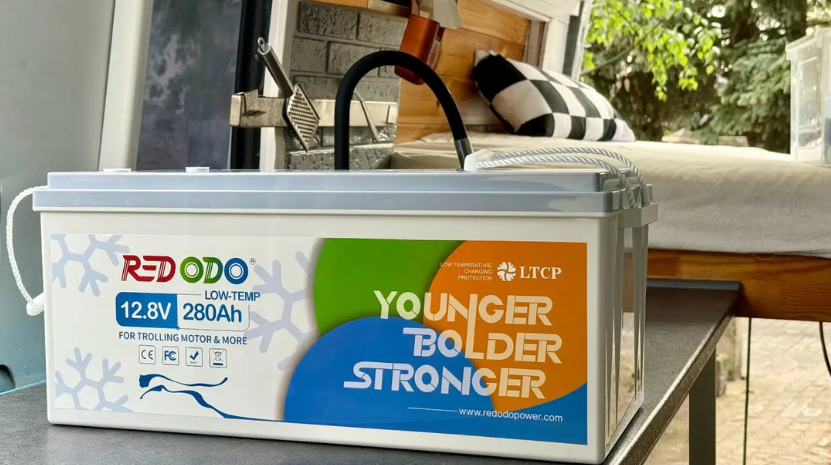
Off grid living once required compromise. Heavy batteries, frequent replacements, and inconsistent performance were often part of the deal. Redodo’s lithium iron phosphate lineup challenges that narrative by focusing on durability and usability rather than hype.
The core appeal lies in LiFePO4 chemistry. Compared to traditional lead acid batteries, these units offer deeper discharge capability, longer cycle life, and significantly less weight. For RV owners and boaters, that weight difference alone changes the equation. Less strain on a vehicle or vessel translates into better efficiency and easier installation.
What stands out is how the brand frames energy independence as accessible. On the <a href=”https://www.redodopower.com”>Redodo homepage</a>, the emphasis is not just on technical specs but on real use cases, weekend camping, marine adventures, and solar powered cabins. The technology feels grounded in everyday practicality.
This shift toward lithium iron phosphate is more than a trend. It represents a broader move toward reliable off grid energy storage that can keep up with modern expectations, where laptops, refrigerators, and communication devices all demand steady power.
Built For Real World Conditions

Performance on paper means little without resilience in the field. Redodo addresses one of the most common challenges in off grid setups, temperature sensitivity.
Cold weather has historically been a weakness for many battery systems. The brand’s self heating lithium models tackle this issue directly, allowing safe charging even when temperatures drop. For winter RV travelers or those maintaining remote cabins, that feature alone can prevent system failure.
Other practical advantages include
- Low self discharge rate, which helps preserve stored energy during periods of inactivity
- Integrated battery management systems that protect against overcharge and short circuits
- Compact form factors that simplify tight installations in vans or boats
The result is a product lineup that prioritizes stability over flash. It aligns well with users who value predictable performance rather than marketing promises.
Anyone exploring detailed specifications can find them clearly outlined on <a href=”https://www.redodopower.com”>Redodo</a>, where capacity ratings, recommended applications, and compatibility notes are presented without unnecessary jargon.
Smart Monitoring Without The Learning Curve

One of the more modern additions to the lineup is Bluetooth enabled battery monitoring. While advanced monitoring systems once required separate hardware, these smart batteries integrate connectivity directly into the unit.
Through a mobile app, users can check
- Remaining capacity
- Voltage levels
- Charge and discharge status
- Overall battery health
For van lifers or boat owners managing multiple power sources, this visibility reduces guesswork. It also lowers the risk of over discharging a battery, which can shorten lifespan even in lithium systems.
The inclusion of smart features speaks to a broader shift in off grid energy storage. Consumers expect transparency and control. By offering built in monitoring rather than optional add ons, the brand removes friction from the setup process.
Scaling From Weekend Trips To Full Energy Systems
Not every user needs the same capacity. A single 12V battery may be enough for a small camper, while a full cabin setup might require a 24V or 48V configuration tied into solar panels and inverters.
Redodo accommodates this range by offering multiple voltage and capacity options. This flexibility allows systems to grow over time. A user might start with one battery for occasional travel, then expand into a larger solar array as energy needs increase.
Key scalability advantages include
- Parallel and series configuration support for higher capacity setups
- Compatibility with common solar charge controllers and inverters
- Consistent performance across different voltage platforms
For those building a serious off grid installation, this adaptability matters. It means the initial investment does not become obsolete as needs evolve.
A deeper look at available models and configurations can be found directly on <a href=”https://www.redodopower.com”>Redodo</a>, where system expansion options are clearly mapped out.
A Practical Take On Energy Independence
In the broader landscape of renewable power, reliability often determines whether a system becomes a long term solution or a short lived experiment. Redodo’s approach centers on lithium iron phosphate technology, real world resilience, and user friendly monitoring.
The brand does not attempt to reinvent the concept of battery storage. Instead, it refines it. By addressing common frustrations, weight, temperature limits, unclear charge status, and limited scalability, it positions itself as a dependable choice for those serious about off grid energy storage.
For RV travelers, marine explorers, and cabin owners, the appeal is straightforward. Consistent power, reduced maintenance, and the confidence that essential systems will keep running when grid access disappears.


