

Minimalist interiors are calm, clean, and easy on the eye. But anyone who has ever sat in a bare, echoing living room knows that minimalism without layering can slip into coldness. The secret isn’t more furniture, it’s the right finishing touches. Rugs, lighting, and side tables have the power to add warmth and texture without breaking the minimalist promise. Living & Home’s living room collection shows how small details can shift a space from looking staged to feeling lived in.
Layered Living Room Essentials
- Textured Rugs – Soften hard flooring and anchor furniture.
- Statement Lighting – Adds sculptural interest while creating mood.
- Side Tables That Work Hard – Compact, functional, and style-friendly.
- Mix of Materials – Contrast keeps a pared-back room dynamic.
- Everyday Comfort – Layering avoids the sterile trap of ultra-minimal rooms.
Why Minimalist Spaces Need Layers
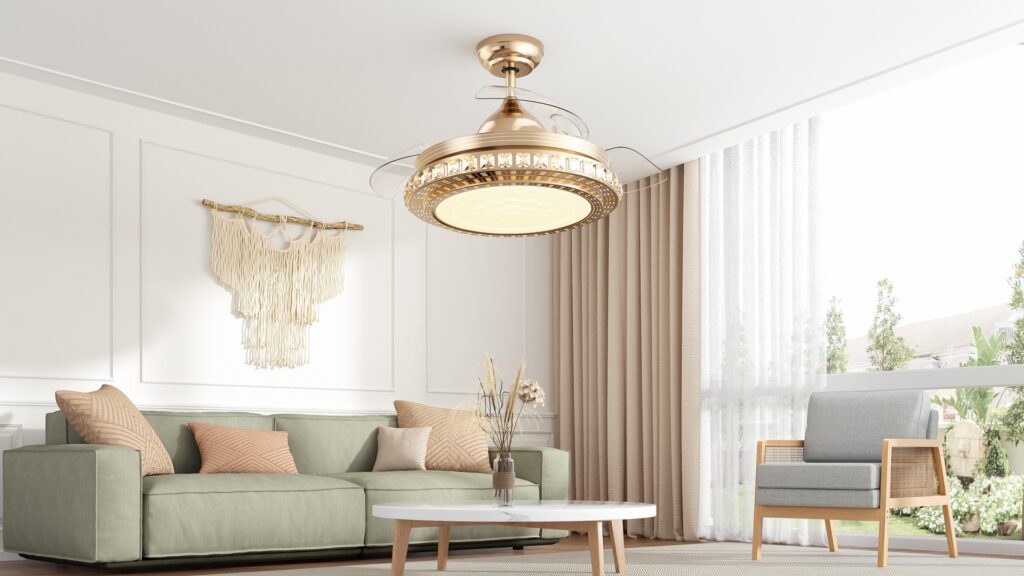
Minimalism works because it clears visual noise. Fewer items, calmer mind. But too much restraint can drain character. Imagine a sofa floating in a room with nothing around it—technically minimal, but also lifeless. Add a soft rug underfoot, a side table with a lamp, and suddenly the same sofa feels grounded, inviting, and practical.
That’s the balance: minimalism is about fewer distractions, not fewer comforts. Layering lets you keep clean lines without sacrificing warmth.
Rugs as the Foundation of Comfort
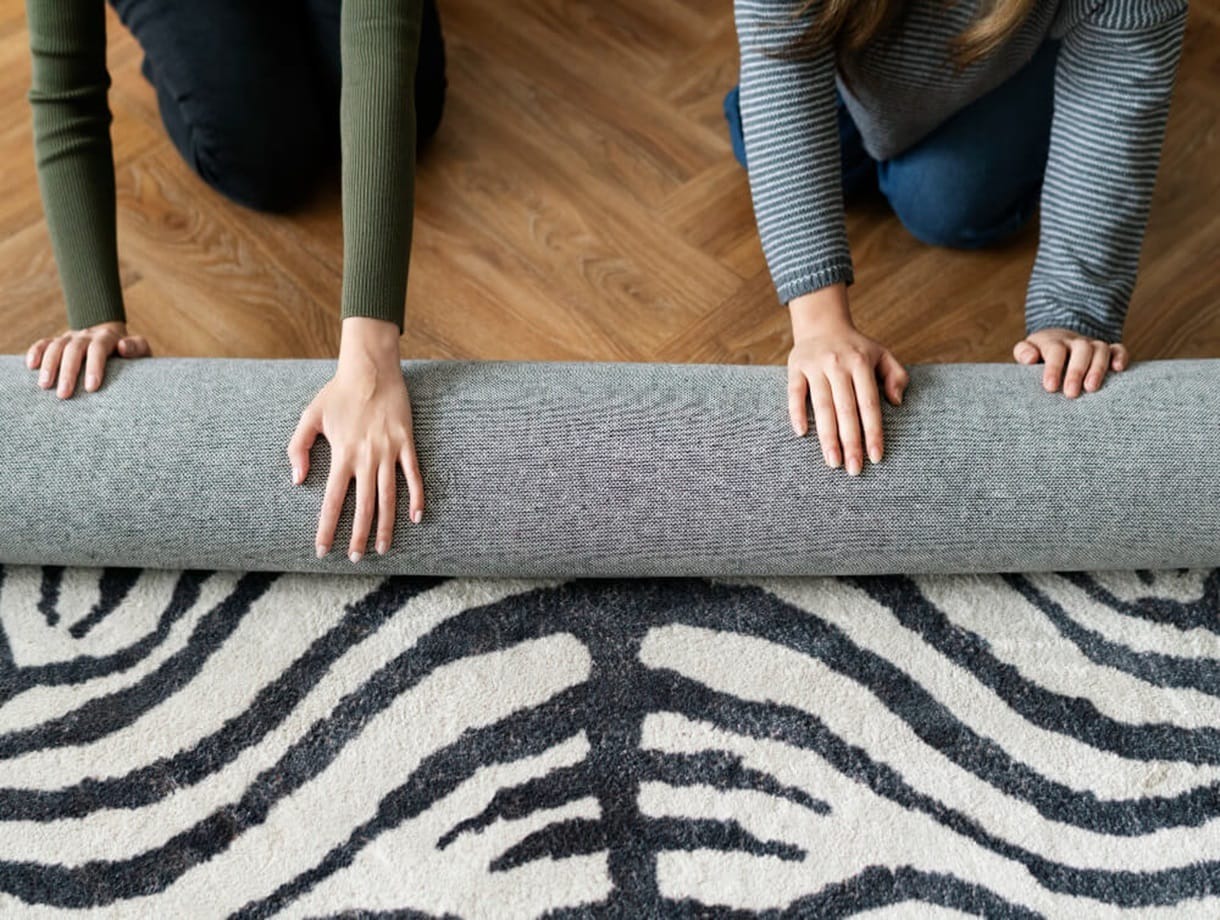
A rug is often the first layer to consider because it defines space and mood. Hardwood or tile floors can look sharp, but they rarely feel cosy. A rug softens acoustics, adds underfoot comfort, and introduces colour or pattern into an otherwise neutral palette.
- Material choices: Jute adds casual earthiness, wool feels plush, and shag piles are a treat for bare feet on winter mornings.
- Sizing tip: Go larger than you think. A rug that tucks under sofa legs pulls a room together; a small “floating” rug makes furniture look disconnected.
- Zoning in open-plan rooms: One rug under the sofa, another under a dining table helps mark boundaries without walls.
With the right rug, a minimal room gains both warmth and structure.
Lighting That Warms and Defines
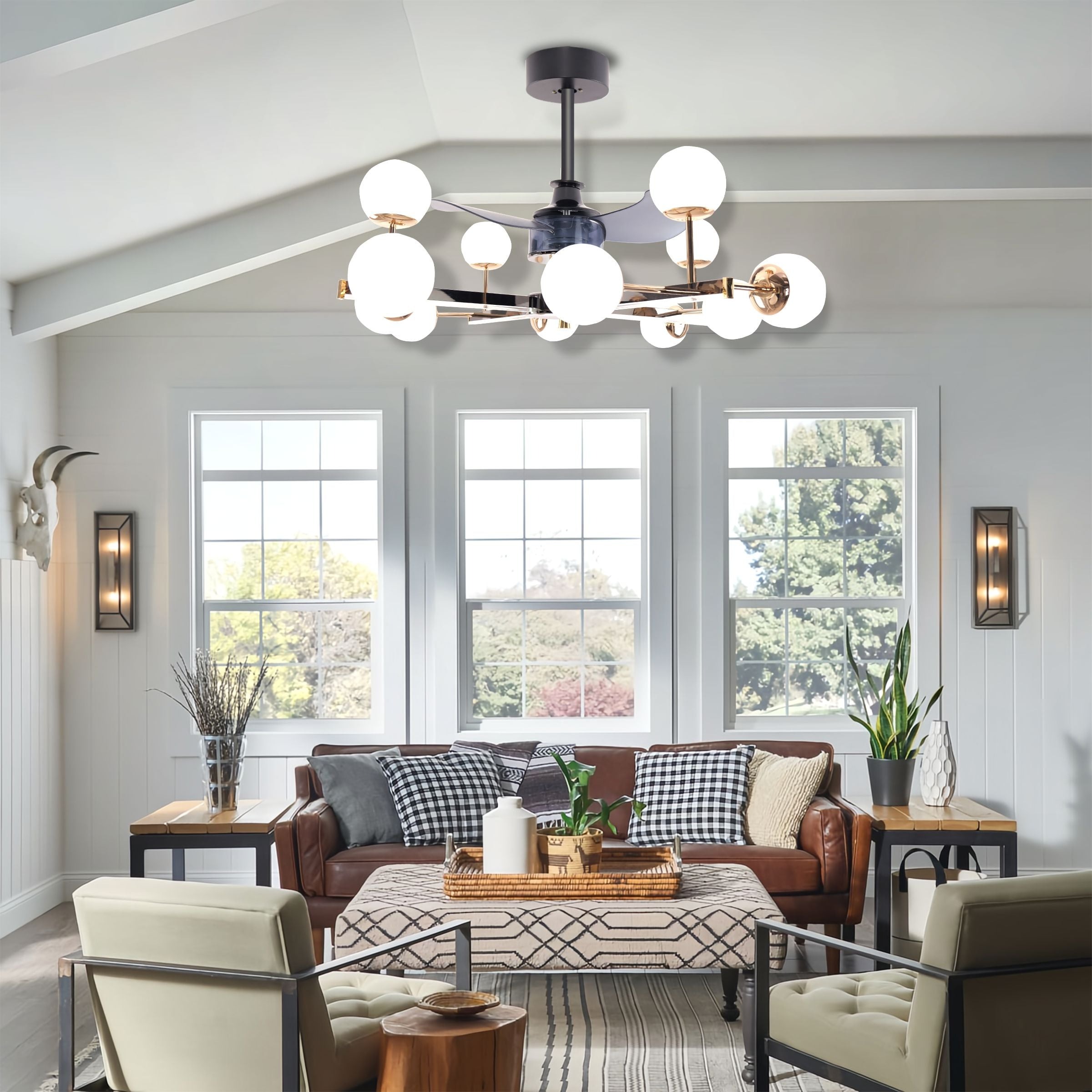
Lighting is more than illumination. It’s atmosphere. One ceiling pendant is rarely enough to make a room feel layered. The trick is combining different types of light.
- Ambient light fills the space (pendants or flush ceiling lights).
- Task lighting serves a purpose (reading lamps beside an armchair).
- Accent lighting creates depth (spotlights on art or a glowing table lamp).
The magic happens when these overlap. For example, a slim brass floor lamp in the corner throws a golden glow that softens shadows around a minimalist grey sofa. Suddenly the room doesn’t feel empty; it feels deliberate.
Lighting also doubles as sculpture. A rattan pendant or glass globe lamp acts like functional art, giving minimalist spaces an anchor point without adding clutter.
Side Tables That Add Personality and Function
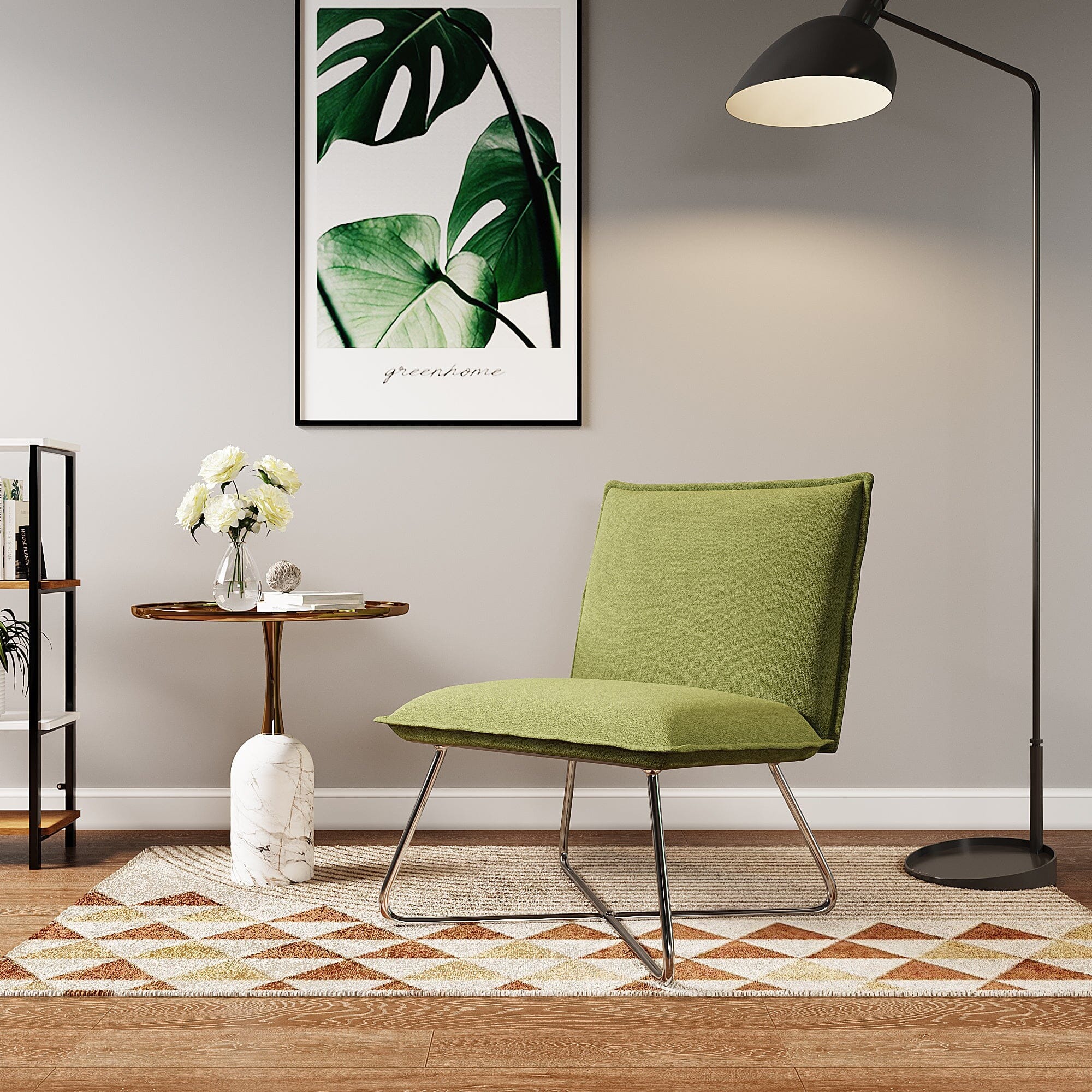
Side tables are unsung heroes in minimalist rooms. Too often people focus on sofas and TV stands, forgetting that smaller pieces carry just as much weight in shaping atmosphere.
A marble-topped side table beside a sofa can hold a warm drink, a book, or a vase. Nesting tables slide neatly into each other when not in use, ideal for small spaces. Wooden options add organic texture that breaks up metal or glass-heavy schemes.
Styling rule of thumb: limit yourself to two or three items per table. A lamp, a plant, and a personal touch (photo frame, candle, or book stack) is enough. Anything more risks looking busy.
Living & Home’s side table collection is especially versatile, offering both pared-back designs and statement pieces that quietly lift a room’s aesthetic.
Putting It All Together, The Layered Formula
So how do rugs, lighting, and tables work together? Think of them as a conversation. The rug grounds the sofa, the lamp highlights the corner, and the table bridges comfort and function.
The key is contrast: mix wood with metal, smooth with textured, soft light with clean lines. Too much of one material flattens the effect. For example, a soft wool rug under a sleek sofa paired with a black iron lamp creates a blend that feels intentional rather than showroom-perfect.
Minimalist rooms should never feel sterile. With layers, they feel edited. That’s the difference between a space that looks nice in photos and one that you actually want to sink into after a long day.
Why Layers Keep Minimalism Alive
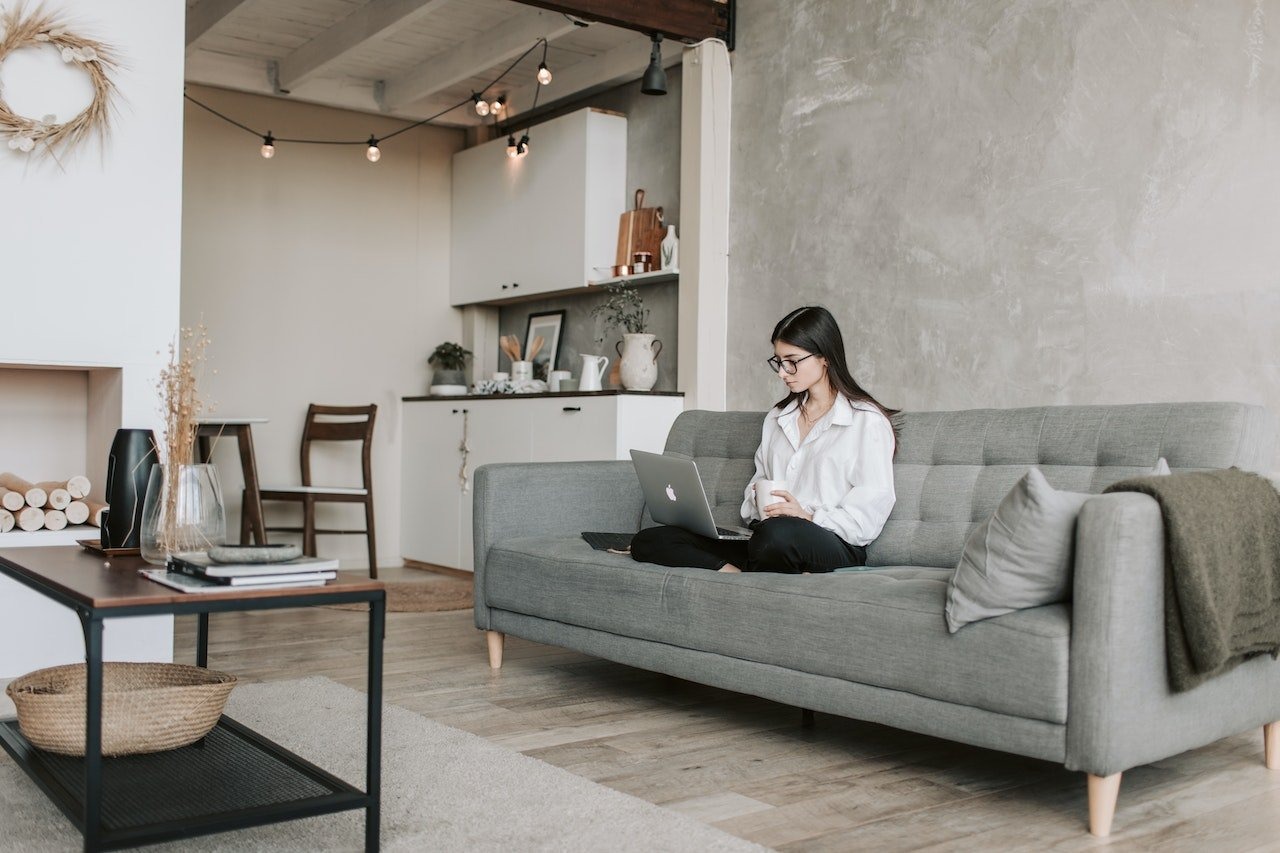
Minimalism doesn’t mean living without character. It means curating carefully so that each item earns its place. Rugs ground the room, lighting creates dimension, and side tables make it practical and human. When layered, these pieces turn a minimal space into one that breathes warmth and personality.
Living & Home’s living room collection makes it easy to achieve that balance. Their rugs, lamps, and tables aren’t just filler; they’re the difference between a home that feels sparse and one that feels serene. The art of layering is what keeps minimalism alive, and what keeps your living room inviting, no matter how pared-back your style may be.
FAQs
Q1: How big should a rug be in a small living room?
Big enough to fit at least the front legs of your sofa and chairs. Anything smaller looks undersized and disrupts flow.
Q2: Can you mix different lamp styles in the same room?
Yes, variety adds character. Just keep a shared detail, such as finish or colour tone—to tie them together.
Q3: How do I style a side table without making it cluttered?
Think in threes: one functional (lamp), one decorative (plant or vase), one personal (book or framed photo).
Q4: Do I need all three, rug, lighting, and side tables—for layering to work?
Not always. Two elements can make a big difference, but all three together create harmony.
Q5: What’s the easiest piece to start with if I’m unsure?
Begin with a rug. It sets the foundation and makes the biggest impact quickly.